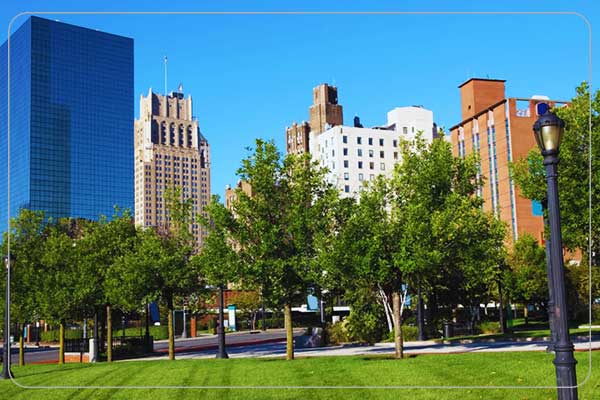
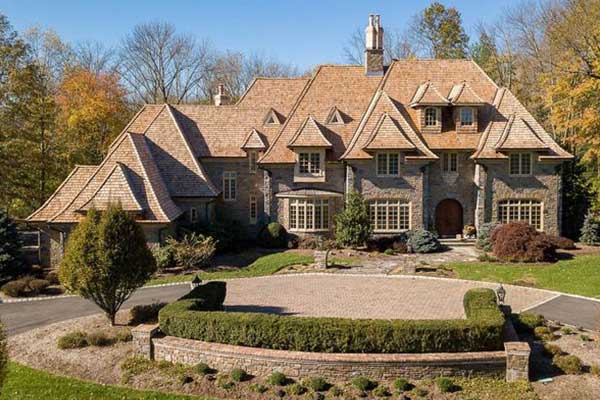
Why Living Near Princeton University is Your Best Investment Decision This Year
Have you ever dreamed of living in a neighborhood where Ivy League sophistication meets small-town charm? Homes for sale near Princeton University represent more than just real estate—they’re gateways to a lifestyle envied nationwide. With tree-lined streets, world-class dining, and academic excellence surrounding you, this prestigious New Jersey enclave offers something truly exceptional.
The homes for sale near Princeton University market continues thriving in 2025, despite national housing fluctuations. Why? Because Princeton offers what few communities can: stability, culture, and enduring value. Whether you’re a faculty member, corporate executive, or family seeking top-tier education, the real estate landscape here delivers unparalleled opportunities.
Let’s explore everything you need to know about purchasing property in this remarkable area—from hidden neighborhood gems to investment strategies that actually work.

🏡 Dreaming of the Perfect Property in the U.S.? We’ve Got You Covered! 🇺🇸
Looking for prime real estate deals in the United States? Whether it’s land, an apartment, or a luxury villa, your dream property is just a step away!
🔹 Meet Silva – Your Trusted Real Estate Consultant!
With 15+ years of experience in the U.S. real estate market, Silva knows exactly how to find the best homes and investment opportunities tailored to your needs.
📞 Don’t wait! Contact Silva today and secure your ideal property before it’s gone!
Understanding the Princeton Real Estate Market: What Makes It Unique?
Current Market Dynamics and Pricing Trends
The Princeton housing market isn’t just competitive—it’s sophisticated. As of October 2025, homes for sale near Princeton University range dramatically in price, reflecting the area’s diverse architectural offerings and neighborhood characteristics.
Price Range Breakdown:
- Entry-Level Homes: $500,000-$750,000 (2-3 bedrooms, classic Princeton style)
- Mid-Range Properties: $750,000-$1,200,000 (3-4 bedrooms, updated features)
- Luxury Estates: $1,500,000-$5,000,000+ (5+ bedrooms, premium locations)
- New Construction: $2,200,000-$2,900,000 (modern amenities, prime locations)
The median listing price hovers around $925,000-$995,000, though values fluctuate based on proximity to campus, school districts, and neighborhood prestige. Properties near the university campus command premium prices—typically $900,000 to $2,900,000—due to walkability and cultural access.
Market Forecast: What 2025 Holds for Buyers
According to recent market analyses, Princeton’s real estate landscape shows resilience. While some New Jersey markets experienced volatility, Princeton maintains steady appreciation. Experts project modest recovery with average sale prices reaching approximately $1.2 million by December 2025—representing 13% growth from previous quarters.
What’s driving this? Three key factors:
- Limited Inventory: Tight housing supply across all price points
- University Anchor: Princeton University’s enduring prestige attracts global buyers
- Corporate Headquarters: Bristol Myers Squibb, Johnson & Johnson, and expanding AI Hub initiatives
Are you wondering whether this is the right time to buy? The answer depends on your timeline. Spring remains optimal for selection variety, while fall often brings motivated sellers and potential pricing advantages.
The 10 Best Neighborhoods for Homes Near Princeton University
1. Downtown Princeton—Ultimate Walkability and Culture
Imagine stepping out your door and walking to Palmer Square for artisan coffee, then catching a Broadway show at McCarter Theater. Downtown Princeton offers exactly that lifestyle. Properties here include historic row homes, luxury condos at Palmer Square Residences, and renovated colonials.
What You’ll Love:
- Walking distance to Nassau Street shopping
- Direct access to Princeton University campus
- Premium dining and entertainment
- Highly walkable (Walk Score: 90+)
Price Range: $850,000-$3,500,000
Best For: Professionals, empty nesters, university faculty seeking convenience
2. The Western Section—Historic Grandeur and Prestige
This iconic neighborhood features Princeton’s most photographed homes—grand estates, Tudor revivals, and Craftsman gems lining tree-canopied streets. The Western Section represents old-money elegance with modern renovations.
Distinctive Features:
- Architectural diversity (Victorian, Colonial, Tudor styles)
- Large lots with mature landscaping
- Walking distance to downtown
- Prestigious addresses (Library Place, Hodge Road)
Price Range: $1,200,000-$6,500,000+
Best For: Families valuing architectural character and established neighborhoods
3. Riverside—Scenic Beauty Meets Community
Nestled beside Carnegie Lake, Riverside earns reputation as Princeton’s most visually stunning neighborhood. Homes here blend mid-century modern with contemporary designs, often featuring waterfront views and proximity to university rowing facilities.
Key Attractions:
- Carnegie Lake access
- Exceptional natural beauty
- Community-oriented atmosphere
- Princeton University proximity
Price Range: $800,000-$2,500,000
Best For: Outdoor enthusiasts, young families, nature lovers
4. Littlebrook—Family-Focused with Top Schools
If education drives your home search, Littlebrook delivers. This neighborhood feeds into the highly-rated Littlebrook Elementary School and offers predominantly single-family homes with yards perfect for children.
Highlights:
- Top-rated elementary school (GreatSchools rating: 9/10)
- Family-friendly community events
- Princeton Shopping Center proximity
- Safe, walkable streets
Price Range: $650,000-$1,500,000
Best For: Growing families prioritizing education and community
5. Princeton Ridge—Suburban Tranquility with Easy Access
Princeton Ridge provides suburban feel without sacrificing convenience. Larger lots, wooded settings, and proximity to Witherspoon Woods trails make this neighborhood ideal for those seeking privacy.
Benefits:
- Larger lot sizes (often 2+ acres)
- Natural surroundings
- Modern homes with contemporary amenities
- Less dense than downtown
Price Range: $900,000-$2,800,000
Best For: Families wanting space, nature enthusiasts, remote workers
6. Queenston Common—Townhome Living Done Right
Not everyone wants lawn maintenance. Queenston Common offers beautifully updated townhomes combining convenience with community. These properties attract professionals and retirees alike.
Advantages:
- Low-maintenance lifestyle
- Community amenities
- Competitive pricing
- Updated interiors
Price Range: $550,000-$850,000
Best For: First-time buyers, downsizers, busy professionals
7. Constitution Hill—Condo Convenience with Character
Constitution Hill condominiums provide entry into the Princeton market without the million-dollar price tag. These units offer modern amenities while maintaining proximity to downtown.
Features:
- Affordable entry point
- Parking included
- Professional management
- Downtown walkability
Price Range: $240,000-$650,000
Best For: Young professionals, investors, university staff
8. Governors Lane—Modern Luxury Townhomes
Governors Lane represents contemporary townhome living at its finest. Recently renovated units by prestigious local architects feature open floor plans and high-end finishes.
Standout Qualities:
- Modern renovations
- Extra parking
- Natural light
- End units available
Price Range: $700,000-$1,100,000
Best For: Professionals desiring modern aesthetics without yard work
9. Princeton Junction—Value and Commuter Access
Technically neighboring Princeton, Princeton Junction offers exceptional value with direct train access to New York City. Homes here provide more square footage per dollar.
Perks:
- NJ Transit station (NYC in 75 minutes)
- West Windsor-Plainsboro schools (highly rated)
- More affordable pricing
- Family-friendly developments
Price Range: $450,000-$900,000
Best For: NYC commuters, budget-conscious families
10. Fieldwood Manors—Townhome Sophistication
Fieldwood Manors delivers townhome living with premium finishes. Many units feature first-floor primary suites—perfect for accessibility-conscious buyers.
Highlights:
- First-floor primary suites
- 2-car garages
- Open floor plans
- Finished basements
Price Range: $600,000-$850,000
Best For: Empty nesters, professionals, accessibility-focused buyers
Princeton University Area Living: Beyond the Real Estate
Schools That Make Princeton a Family Destination
When you invest in homes for sale near Princeton University, you’re investing in education. Princeton Regional Schools consistently rank among New Jersey’s finest.
Public School Excellence:
| School | Level | GreatSchools Rating | Notable Features |
|---|---|---|---|
| Littlebrook Elementary | K-5 | 9/10 | STEM programs, arts integration |
| Community Park Elementary | K-5 | 9/10 | Diverse community, technology focus |
| Riverside Elementary | K-5 | 9/10 | Outdoor learning, nature programs |
| Johnson Park Elementary | K-5 | 8/10 | Character education, music programs |
| Princeton Charter School | K-8 | 10/10 | Project-based learning, small classes |
| Princeton Middle School | 6-8 | 9/10 | Advanced math, language programs |
| Princeton High School | 9-12 | 10/10 | AP courses, college prep excellence |
Princeton High School graduates attend Ivy League universities at rates significantly above national averages. The school offers 30+ AP courses, exceptional arts programs, and competitive athletics.
Commuting from Princeton: Your Work-Life Balance Solved
Transportation Options:
- Princeton Junction Station: Direct NJ Transit to NYC Penn Station (75 minutes)
- “Dinky” Shuttle Train: Connects Princeton to Princeton Junction
- Major Highways: NJ Turnpike, I-295, US Route 1 within 10 minutes
- Newark Airport: 45-60 minutes by car
- Philadelphia: 45 minutes drive
The commute question matters immensely when evaluating homes for sale near Princeton University. Unlike many New Jersey communities, Princeton balances accessibility with small-town atmosphere. You’re never far from major employment centers, yet you return home to tree-lined streets and community gatherings.
Corporate Employment Hub: Why Executives Choose Princeton
Princeton isn’t just academia—it’s corporate headquarters central:
- Bristol Myers Squibb (Nassau Park)
- Johnson & Johnson (regional operations)
- Novo Nordisk (US headquarters)
- Blackrock (offices)
- Princeton University (major employer)
- Princeton Plasma Physics Lab (government research)
The upcoming AI Hub collaboration between Princeton University and New Jersey State represents massive economic development, projected to bring thousands of high-paying jobs and increased housing demand.
Investment Potential: Why Princeton Real Estate Outperforms
Long-Term Appreciation Trends
Princeton’s real estate demonstrates remarkable resilience. While other markets fluctuate wildly, Princeton maintains steady 3-5% annual appreciation over decades. Why this consistency?
Fundamental Strengths:
- University Anchor: Princeton University isn’t relocating—ever
- Limited Development: Strict zoning preserves property values
- Wealthy Demographics: High median household income ($157,000+)
- Top Schools: Education-focused buyers pay premiums
- Cultural Capital: Arts, dining, and intellectual community
Rental Market Opportunities
The Princeton rental market thrives year-round. Faculty, visiting scholars, corporate relocations, and graduate students create consistent demand.
Rental Income Potential:
| Property Type | Monthly Rent Range | Annual ROI |
|---|---|---|
| Studio Apartment | $1,850-$2,200 | 4-5% |
| 1-Bedroom Condo | $2,400-$3,200 | 4.5-5.5% |
| 2-Bedroom Townhome | $3,500-$4,800 | 5-6% |
| 3-Bedroom Single-Family | $5,000-$7,500 | 5-6.5% |
| 4+ Bedroom Luxury Home | $8,000-$10,000+ | 4-5.5% |
Investment properties in Princeton offer more than income—they provide appreciation, tax benefits, and portfolio diversification. Many investors target condos near campus for university-affiliated tenants, while others prefer single-family homes for executive rentals.
Tax Considerations and Financial Planning
New Jersey property taxes rank among America’s highest, and Princeton follows this trend. However, understanding the tax landscape helps you plan appropriately.
Average Annual Property Taxes by Price Point:
- $750,000 home: ~$18,000-$22,000
- $1,000,000 home: ~$24,000-$28,000
- $1,500,000 home: ~$36,000-$42,000
- $2,500,000 home: ~$60,000-$70,000
These numbers might shock buyers from lower-tax states, but remember: you’re paying for exceptional schools, services, and quality of life. Many buyers offset taxes through mortgage interest deductions and strategic financial planning.
Buying Process: Your Step-by-Step Roadmap to Princeton Homeownership
Step 1—Financial Preparation and Pre-Approval
Before exploring homes for sale near Princeton University, get your financial house in order. Princeton’s competitive market demands ready buyers.
Financial Checklist:
- Credit Score: Aim for 740+ for best rates
- Down Payment: Prepare 20% to avoid PMI (though 10-15% programs exist)
- Emergency Fund: Maintain 6-12 months expenses
- Debt-to-Income Ratio: Keep below 43%
- Pre-Approval Letter: Obtain from reputable lender
What’s your budget reality? Calculate not just mortgage, but property taxes, insurance, maintenance, and utilities. A $1 million home costs approximately $7,500-$9,000 monthly all-in.
Step 2—Choosing the Right Real Estate Partner
Princeton’s market complexity demands experienced local representation. National platforms show listings, but local expertise uncovers opportunities before they hit the market.
Questions for Your Agent:
- How many Princeton transactions have you closed annually?
- Do you have exclusive pocket listings?
- What’s your average days-on-market performance?
- Can you provide neighborhood-specific market analyses?
- Do you have relationships with local lenders and inspectors?
Top Princeton agents offer more than showing homes—they provide school district guidance, neighborhood insights, renovation contractor recommendations, and negotiation expertise.
Step 3—The Home Search: Online to In-Person
Start your search online, but transition quickly to in-person viewings. Photos lie; neighborhoods reveal themselves through walking tours.
Effective Search Strategy:
- Use multiple platforms (Zillow, Realtor.com, local MLS sites)
- Set up automatic alerts for new listings
- Attend open houses in target neighborhoods
- Drive neighborhoods at different times (weekday morning vs. weekend evening)
- Talk to residents during walks
Pay attention to details photos miss: street traffic, noise levels, nearby development, true walkability, and neighborhood “feel.”
Step 4—Making Competitive Offers in Princeton’s Market
Princeton homes often receive multiple offers, especially under $1.5 million. How do you compete without overpaying?
Winning Offer Strategies:
- Pre-Approval Strength: Show lender letter and proof of funds
- Flexible Closing: Match seller’s timeline preferences
- Minimal Contingencies: Consider inspection-only contingency
- Personal Letter: Explain why you love the home (works surprisingly often)
- Escalation Clause: Automatically increase bid if competing offers exist
- Cash Offers: If possible, remove financing contingency
Remember: the highest offer doesn’t always win. Sellers value certainty, flexibility, and pleasant transaction experiences.
Step 5—Due Diligence and Closing
Once under contract, your work intensifies. Princeton’s older homes require thorough inspection.
Critical Due Diligence:
- Home Inspection: Hire experienced inspector familiar with Princeton housing stock
- Radon Testing: New Jersey requirement; common in area
- Septic Inspection: For properties without municipal sewer
- Title Search: Ensure clear ownership
- Homeowners Insurance: Get quotes early; can affect affordability
Closing typically occurs 30-45 days after contract signing. You’ll finalize financing, review closing disclosure, conduct final walkthrough, and sign approximately 50-75 documents at closing.
Lifestyle Perks: What Daily Life Looks Like Near Princeton University
Cultural Richness That Rivals Major Cities
Living near Princeton University means world-class culture in your backyard. The university shares its intellectual and artistic resources generously.
Cultural Highlights:
- McCarter Theatre Center: Tony Award-winning productions
- Princeton University Art Museum: Free admission, world-renowned collections
- Richardson Auditorium: Princeton University Concerts series
- Princeton Public Library: Exceptional resources and programming
- Palmer Square Events: Summer concerts, farmers markets, festivals
Can you imagine attending a Nobel laureate lecture on Thursday, catching Broadway previews Friday, and browsing European masterpieces Saturday—all within walking distance? That’s Princeton life.
Dining Scene That Punches Above Its Weight
For a small town, Princeton’s restaurant scene impresses even New York City transplants.
Notable Establishments:
- Agricola Eatery: Farm-to-table American cuisine
- Elements: Fine dining with innovative seasonal menus
- Mediterra: Upscale Mediterranean in historic setting
- Triumph Brewing Company: Local craft beer and pub fare
- Witherspoon Grill: Classic American, business dining favorite
- Teresa Caffe: Italian trattoria, local institution
Beyond restaurants, Princeton offers artisan coffee shops, international markets, and specialty food stores that rival much larger cities.
Recreation and Outdoor Activities
Princeton isn’t just intellectual—it’s surprisingly active. The community prioritizes outdoor recreation and wellness.
Outdoor Opportunities:
- Carnegie Lake: Kayaking, rowing, lakeside trails
- Delaware & Raritan Canal Towpath: 70+ miles of running/cycling trails
- Witherspoon Woods: Nature preserve with hiking trails
- Princeton Battlefield State Park: Historic site with walking paths
- Mountain Lakes Preserve: Swimming, fishing, trails
- Multiple Golf Courses: Including prestigious Princeton Country Club
Youth sports thrive here, with excellent facilities for soccer, lacrosse, baseball, tennis, and swimming. Many residents maintain active lifestyles well into retirement.
Comparing Property Types: Which Fits Your Lifestyle?
Single-Family Homes vs. Townhomes vs. Condos
Comprehensive Comparison:
| Feature | Single-Family Home | Townhome | Condo |
|---|---|---|---|
| Price Range | $650K-$6.5M+ | $550K-$1.1M | $240K-$800K |
| Yard/Outdoor Space | Private yard, landscaping | Small patio/backyard | Balcony/limited outdoor |
| Maintenance | Full responsibility | Exterior HOA-managed | Most maintenance covered |
| Monthly HOA Fees | None or minimal | $200-$500 | $300-$800 |
| Privacy | Maximum privacy | Shared walls | Shared walls/floors |
| Appreciation Potential | Highest | Moderate-High | Moderate |
| Best For | Families, long-term | Professionals, transitioning | First-time, downsizing |
| Parking | Driveway, garage | 1-2 car garage | Assigned spaces |
| Customization | Full control | Limited exterior changes | Very limited |
Your choice depends on lifestyle priorities. Large families naturally gravitate toward single-family homes in neighborhoods like Littlebrook or Princeton Ridge. Empty nesters often transition to townhomes in Governors Lane or condos at Constitution Hill.
New Construction vs. Historic Homes
Princeton offers both brand-new builds and century-old treasures. Which suits you?
New Construction Advantages:
- Modern floor plans and open concepts
- Energy efficiency (lower utilities)
- Latest smart home technology
- No immediate maintenance needs
- Builder warranties
- Customization options
Historic Home Advantages:
- Established neighborhoods with mature trees
- Unique architectural character
- Larger lots typically
- Often better locations (closer to downtown)
- Craftsmanship details (hardwood, moldings, built-ins)
- Potential tax credits for historic preservation
Cost Comparison:
New construction in Princeton averages $2.2-$2.9 million for equivalent square footage to $1.2-$1.8 million historic homes. However, historic homes often require $50,000-$200,000 in updates within first five years.
Common Challenges (and Solutions) When Buying Near Princeton University
Challenge #1—Affordability in a Premium Market
Let’s address the elephant: Princeton isn’t cheap. How do you afford homes for sale near Princeton University without financial strain?
Solutions:
- Expand Geographic Search: Princeton Junction, West Windsor, Plainsboro offer value
- Consider Townhomes/Condos: Entry points under $600K exist
- Renovation Opportunities: Dated homes in good locations offer equity-building potential
- Co-Buying Strategies: Family partnerships or multi-generational purchases
- Rent-to-Own Arrangements: Occasionally available through private sellers
What’s your creative solution? Some buyers purchase smaller properties initially, build equity for 5-7 years, then upgrade to dream homes.
Challenge #2—Multiple Offer Competition
Desirable Princeton properties often receive 5-10 offers within days of listing. How do you compete?
Winning Tactics:
- Act Fast: View within 24 hours of listing
- Strong Financial Position: All-cash or large down payment
- Flexible Terms: Match seller’s preferred timeline
- Waive Contingencies Strategically: When inspection completed pre-offer
- Experienced Negotiator: Agent who knows Princeton market intimately
Sometimes paying $20,000 over asking price costs less than losing the property and buying another requiring $50,000 more.
Challenge #3—Property Tax Burden
New Jersey’s property taxes shock many buyers. How do you manage this reality?
Tax Management Strategies:
- Budget Realistically: Factor full tax amount into affordability calculations
- Tax Appeals: Challenge assessments if comparable properties suggest overvaluation
- Financial Planning: Structure compensation/bonuses to cover tax bills
- Consider Total Cost: Sometimes higher-priced homes have lower effective tax rates
- Long-Term Perspective: Tax deductions offset portions of payments
Remember: you’re paying for exceptional services—schools, libraries, recreation, public safety—that directly impact quality of life and property values.
10 Expert Tips for Maximizing Your Princeton Home Search
1. Visit During Academic Year: Experience Princeton when students populate the area—traffic, parking, and atmosphere differ from summer.
2. Research School Catchment Areas: Even a few blocks can determine elementary school assignment. Verify attendance zones before making offers.
3. Consider Future Resale: Even if you love the home, think about marketability. Unusual layouts or locations limit buyer pools.
4. Inspect Rigorously: Princeton’s older homes often harbor expensive surprises—foundation issues, outdated electrical, aging HVAC systems.
5. Understand Commute Realities: Drive your actual commute during rush hour before committing. Princeton Junction parking fills early.
6. Meet Neighbors: Knock on doors, introduce yourself, ask questions. Neighbors reveal insights agents might miss.
7. Budget for Renovations: Most Princeton homes need updates. Set aside 10-20% of purchase price for improvements.
8. Attend Community Events: Princeton Community Works events, farmer’s markets, and school functions help you understand the community.
9. Review HOA Documents Carefully: For townhomes and condos, understand rules, fee structures, and financial health of associations.
10. Think Long-Term: Princeton rewards patient owners. Short-term flipping rarely makes sense given transaction costs and taxes.
Frequently Asked Questions About Princeton Real Estate
Q: What’s the average time homes stay on the market? A: Properties under $1.5 million typically sell within 15-30 days. Luxury homes ($2M+) average 60-90 days. Well-priced homes in desirable neighborhoods receive offers within days.
Q: Can I walk to Princeton University from most neighborhoods? A: Downtown, Western Section, and Riverside offer easy walks (under 15 minutes). Littlebrook and Princeton Ridge require 5-10 minute drives. Princeton Junction isn’t walkable to campus.
Q: Are Princeton schools worth the premium housing costs? A: Academic rankings, college placement rates, and resource availability consistently place Princeton schools among New Jersey’s finest. Many families consider this their primary buying motivation.
Q: How competitive is the market for first-time buyers? A: Properties under $700,000 face intense competition. Consider condos, townhomes, or expanding your search to neighboring communities for better opportunities.
Q: What’s the best time of year to buy? A: Spring offers maximum inventory but more competition. Fall brings motivated sellers and potentially better pricing. Winter shows fewest listings but least competition.
Taking Your Next Steps: From Research to Homeownership
You’ve explored Princeton’s neighborhoods, understood market dynamics, reviewed pricing, and learned buying strategies. What’s next?
Your Action Plan:
Week 1-2: Get pre-approved, establish your budget, identify must-have features and deal-breakers.
Week 3-4: Begin online searches, attend open houses, drive target neighborhoods at various times.
Week 5-6: Narrow choices to 2-3 neighborhoods, meet with experienced Princeton real estate agents, establish search alerts.
Week 7-8: View properties actively, reassess priorities based on actual homes, prepare offer strategy.
Week 9+: Make offers, negotiate terms, conduct inspections, move toward closing.
The journey from researching homes for sale near Princeton University to holding keys in your hand typically spans 3-6 months. Some buyers find their perfect property in weeks; others search for a year. The key? Stay focused on your goals while remaining flexible on details.
Your Princeton Dream Awaits
Investing in homes for sale near Princeton University means more than purchasing real estate—you’re joining a community that values intellect, culture, and quality of life. Whether you’re drawn by world-class schools, vibrant downtown atmosphere, or proximity to one of America’s great universities, Princeton delivers.
The market challenges are real: competition, pricing, property taxes. But for thousands of residents, the rewards far outweigh the costs. Where else can you enjoy Ivy League culture, exceptional schools, corporate career opportunities, and small-town community—all within an hour of New York City and Philadelphia?
Your perfect Princeton home exists. Maybe it’s a charming colonial in Littlebrook, a modern townhome in Governors Lane, or a grand estate in the Western Section. Whatever your vision, the time to act is now.
Ready to transform your Princeton dream into reality? Start your search today, partner with experienced local professionals, and prepare for the adventure of finding your place in one of America’s most desirable communities.
Your Princeton story begins now. What will your first chapter be?
External Resource: For the latest market statistics and economic insights about New Jersey real estate trends, visit the New Jersey Realtors Association.
Internal Links from Silkaro Group: